
Basement insulation in Perris CA - walls that stay comfortable without trapping moisture
If the room downstairs feels cold or clammy, we insulate its walls with material that handles moisture, so it feels like part of the house.
- Licensed and insured.
- Free on-site estimates.
- We respond within 1 business day.
Is it worth insulating a basement in Perris?
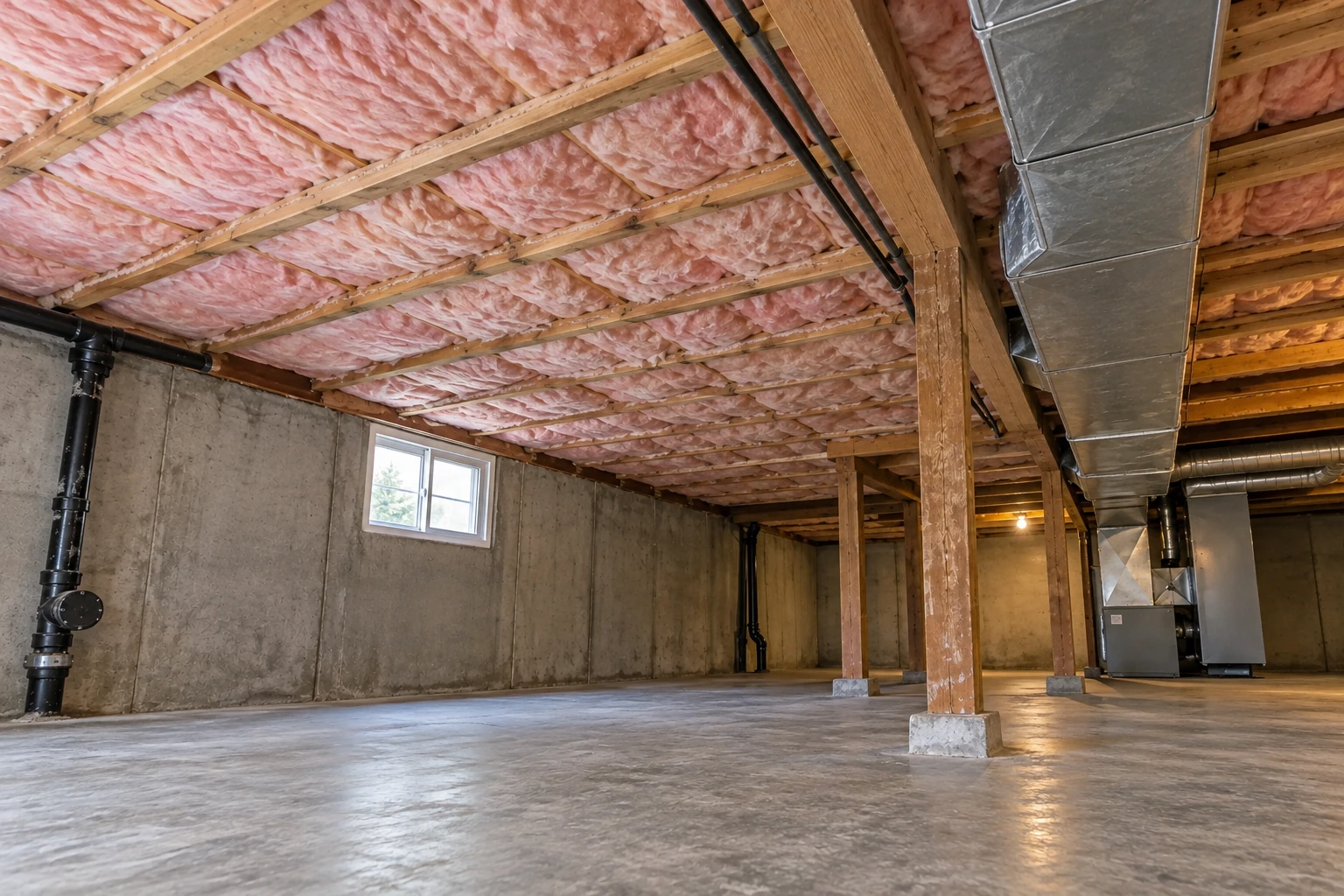
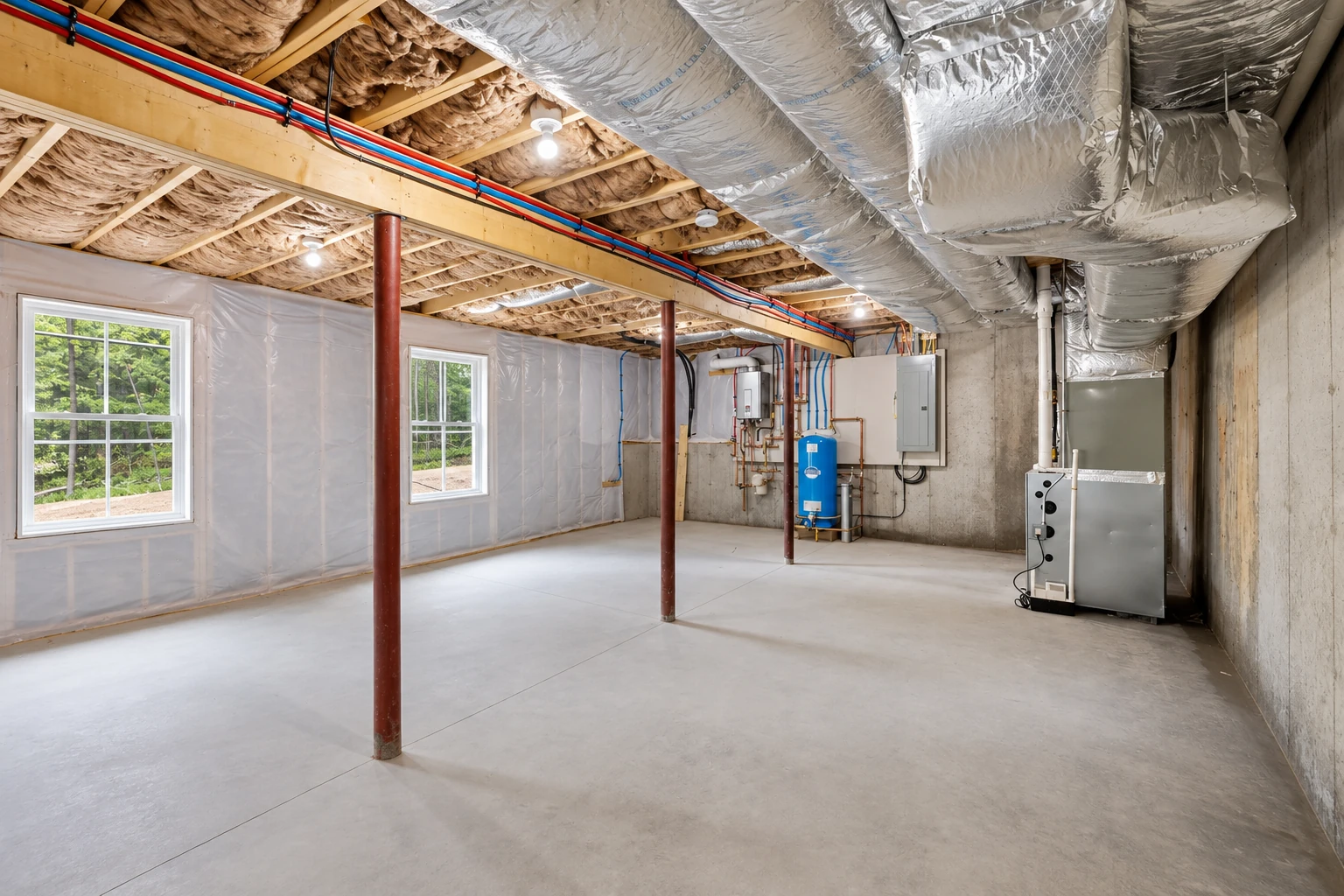
Basement insulation in Perris usually goes on the basement's outer walls, so the space below grade becomes part of the heated and cooled house instead of a cold, clammy room underneath it. The room gets more comfortable to use, and quieter too.
Some houses have a full basement, and others have a lower room or a partial space dug into a slope. The work is much the same for both. The price moves with how much wall there is, which material your dampness calls for and whether anything has to be fixed or opened up first, and the schedule turns on the same things, plus whether finished drywall has to come off. If part of your house sits over a crawl space instead, that's a different job, and our crawl space insulation page covers it. The written estimate gives you your own number.
How can you tell your basement needs insulation?
Cool or damp walls
Put your hand on the wall in summer and it feels cool, sometimes damp, which usually means warm indoor air is hitting the concrete and leaving water behind. Left alone, that moisture works into anything stored against the wall, and the room starts to smell musty.
A room nobody wants to use
The basement runs colder or stuffier than upstairs, so it ends up as storage instead of a room you use. Every month it stays that way, you're paying to heat and cool air that the bare walls keep handing back to the ground.
Drafts along the top
Feel along the top of the foundation where the wood framing sits on it, and you'll often find cold or dusty air coming in. That strip of framing is the rim joist, and until it's sealed, outside air keeps getting in and the insulation below it can't do its job.
How we handle basement insulation
I start by asking how you use the room and where you've seen dampness, because a storage space and a playroom don't need the same answer. Then we talk through walls versus ceiling and which material stands up to the moisture you've got, and I'll tell you plainly if a leak or wet old insulation has to be dealt with first, since covering it only hides the problem. On the day, our installers clear the work area, pull out anything soaked and seal the gaps along the rim joist and around pipes and ducts. Then they set the insulation tight against the wall so damp air has nowhere to sit behind it.
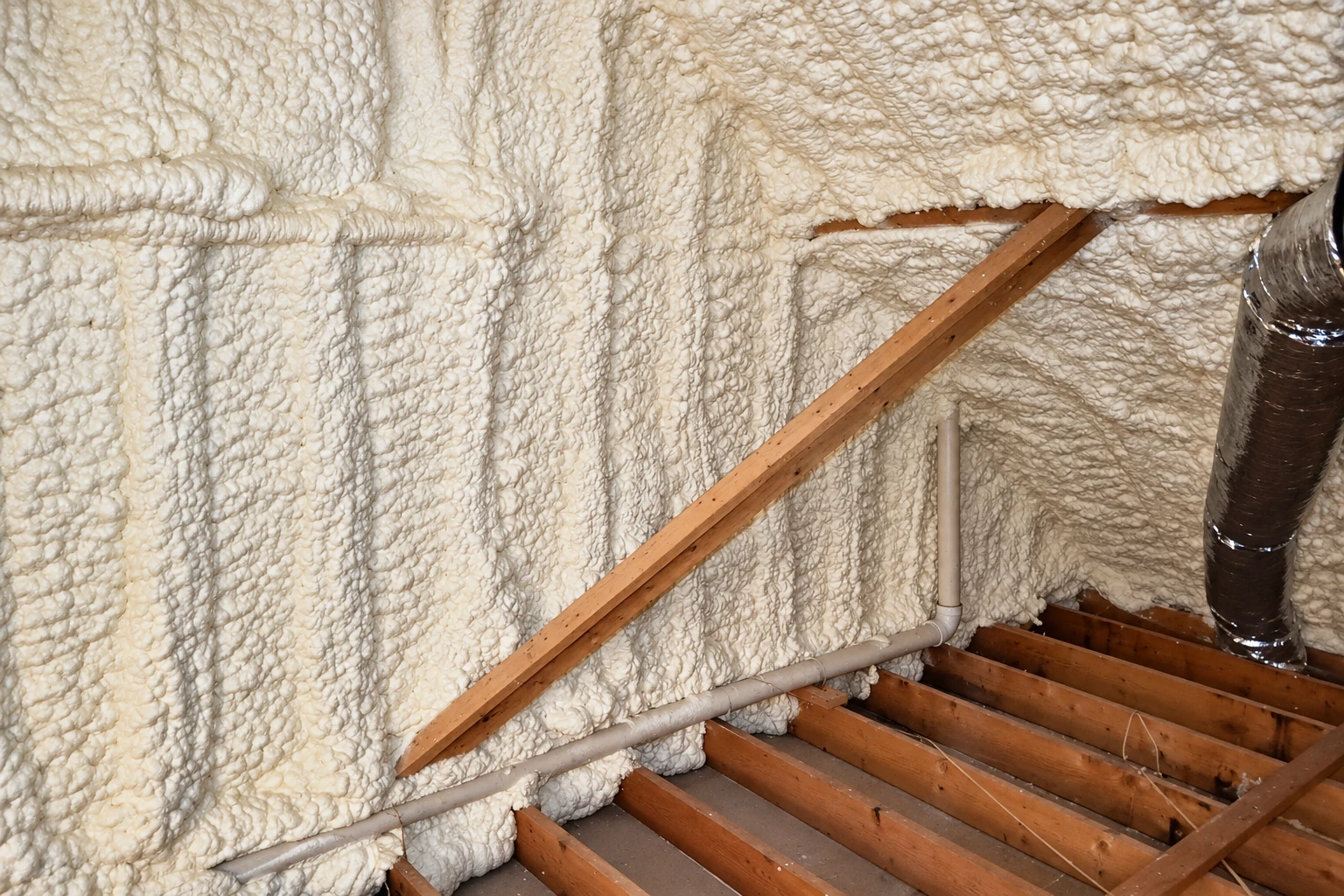
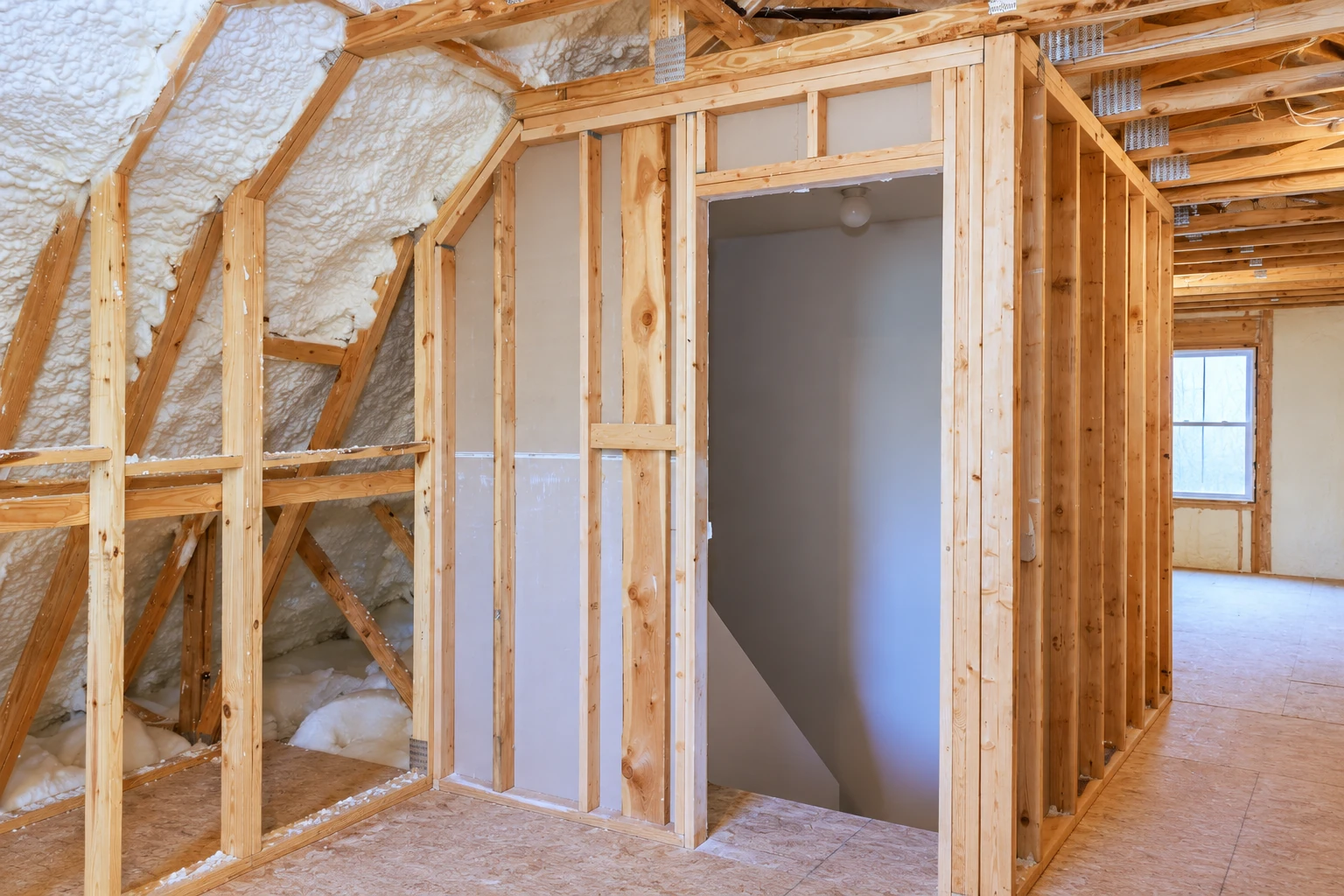
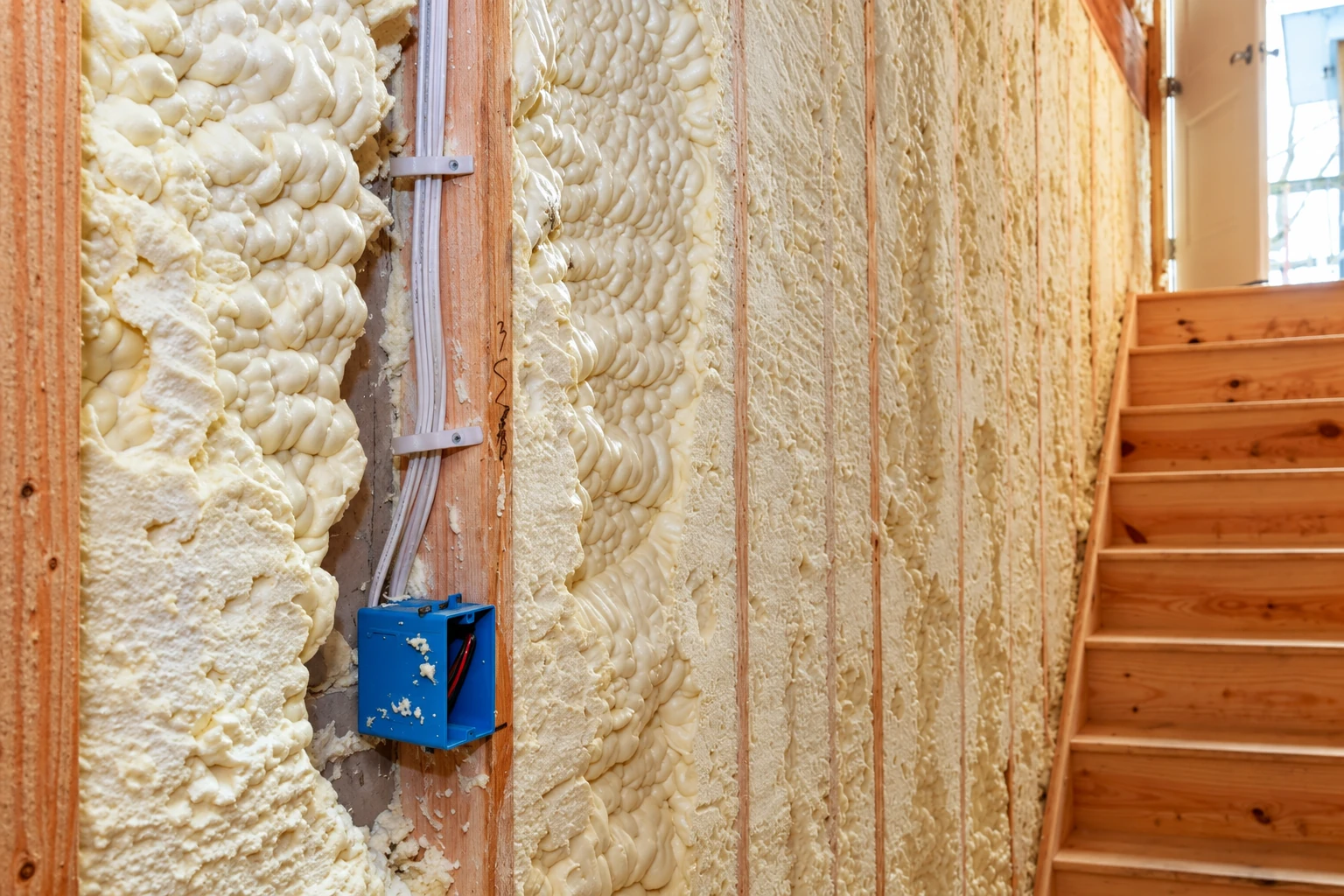
Most damp concrete walls end up with closed-cell foam insulation, the dense foam that blocks moisture and seals air while it insulates. It costs more, and I'll say so up front, but on a wall that sweats it's the one I'd pay for. Open-cell foam insulation is the lighter, less costly foam, and on some basements it's a fair choice, so we'll compare the two on your walls.
Closed-cell foam on the walls
Suits a basement where the concrete gets damp or where you plan to finish the room, because the foam bonds to the wall and leaves no gap for moist air. It's the higher price, and it's what I'd pick for a wall that sweats.
Rigid foam board on the walls
Suits a drier basement and a tighter budget, since boards cost less than spraying the whole wall. They only keep moisture out when they sit flat against the foundation with every edge and seam sealed, so that part gets the most care.
Your basement insulation estimate, done on site and free
We reply to every call and message within one business day, then I come out and look at your basement with you. You get a written estimate at no charge, with no pressure and no obligation to book.
(951) 418-3036Basement insulation in Perris and what shapes the job here
California's energy code sets the rules for a home's outer shell based on the climate zone the house sits in, and those rules reach additions, alterations and repairs to existing houses, not just new ones. So the state's energy rules are part of how I plan a basement here, and I'll tell you how they bear on yours at the walk-through.
Moisture is the bigger question downstairs. Soil maps show a shallow water table under basements on 5% of Riverside County's mapped land, against 29% nationwide, so groundwater pushing up is less common here than in much of the country. That doesn't make a basement dry, because water still wicks through concrete and warm air still sweats on cool walls, so I check every wall before we pick a material. We're based in Perris and work in the cities around it across western Riverside County, and we find the same mix of dry and sweating walls on jobs in Menifee and Murrieta. If your city isn't on our list, just ask.
What happens after you call about your basement?
Call or send the form
Call (951) 418-3036 or fill out the form, and I'll pick up or call you back to set a time. Tell me where you've noticed damp so I know what to look for.
Walk the basement together
I come out and look at the walls, the rim joist and any damp spots with you, taking photos as we go. I'll point out anything that has to be fixed before insulation goes in.
Get a written estimate
You get the estimate in writing, with the material, where it goes and what has to come first, so you can see what you're paying for line by line. Nothing starts until you decide it makes sense.
Installers work, I check it
Our installers do the job, and I check it before we pack up. Then we walk you through what went in, so you know your own basement.
Frequently asked questions
How do I decide whether to insulate my basement walls or the ceiling?
In most cases, insulate the walls, even if the basement isn't heated or cooled. The basement is tied more closely to the rooms above it than to the outside, so wrapping the walls keeps it inside the comfortable part of the house, while insulating the ceiling leaves it out in the cold. If your space is an odd case, we'll work it out at the walk-through.
What is the best way to insulate basement walls that get damp?
Closed-cell spray foam gives the best moisture control on basement walls, and it doubles as a tight air barrier. Fiberglass or cellulose against the concrete can soak up a lot of water and stay damp. If fiber insulation does go in, skip plastic sheeting on the room side, since it can trap moisture in the wall, and use kraft-faced batts, the paper-backed kind, or latex paint on the drywall instead.
Does spray foam in a finished basement need to be covered?
Yes, foam needs a thermal barrier such as drywall between it and any room you live in. So in a basement you use, the foam gets covered before the room goes back into service. Rules can differ by place, and your local code officials can tell you what applies to your house.
How much does basement insulation cost in Perris?
Across the US, insulating a basement usually costs about $4.40 to $6.40 per square foot, and that's the going rate nationally, not our price. Your number moves with how much wall there is, the material you pick and whether damp spots or old insulation have to be dealt with first. I'll give you yours in writing after I've seen the basement.
Does basement insulation need any upkeep later?
No, insulation needs no maintenance once it's in. What costs you is adding to it later, since topping it up after the fact runs higher than putting in the full amount when the space is first built or finished. That's why I'd rather plan the whole job up front than do half now.
Can I use open-cell spray foam on basement walls?
Yes, open-cell foam also makes a good air barrier, but it has to go on more thickly to protect the wall against vapor. If you're comparing foam quotes, ask each contractor how thick they plan to spray it. That answer tells you whether the wall is protected or just covered.
Perris, CA
Let's look at your basement together
Have the rough square footage, any damp spots you've noticed and how you use the room ready when you call (951) 418-3036 or fill out the form, and the walk-through goes faster.