
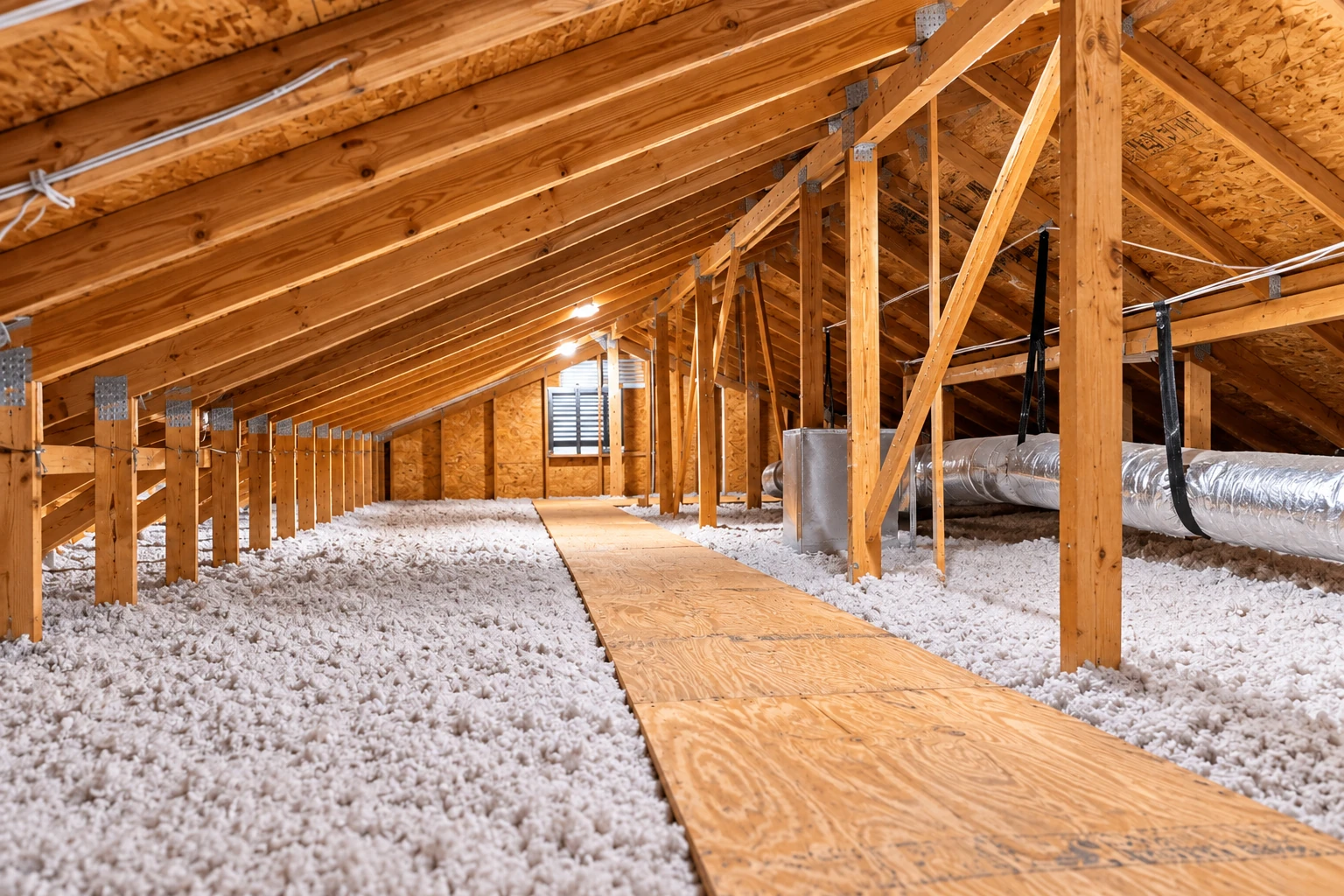
Blown-in insulation in Perris, CA - an attic covered evenly, all the way to the eaves
Upstairs too hot, or joists poking through thin fill? We seal the gaps first, then blow in an even layer across your whole attic.
- Licensed and insured.
- Free on-site estimates.
- We respond within 1 business day.
Is blown-in insulation the right fix for your attic?
Blown-in insulation in Perris, CA is loose fill, usually fiberglass, rock wool or cellulose, blown through a hose across your attic floor so it fills in around joists, wires and pipes and slows heat moving between the attic and the rooms below.
Most people call me because one part of the house never feels right, usually the upstairs or the room over the garage, and the power bill seems high for what they get. The price moves with how big your attic is, how many inches are already up there, how many gaps need sealing and whether old insulation has to come out first. That last one also stretches the schedule the most, along with how easy it is to get into the attic. When I come out, I look at all of that with you and give you a written estimate, so you see your own figure and anything that has to be fixed first.
How can you tell your attic needs more blown-in insulation?
Rooms that never feel right
The upstairs bedrooms or the room over the garage stay hotter or colder than the rest of the house no matter where you set the thermostat. That usually means thin or patchy insulation overhead, or air slipping through gaps, and until it's fixed your system keeps running to make up the difference.
Joists showing through the fill
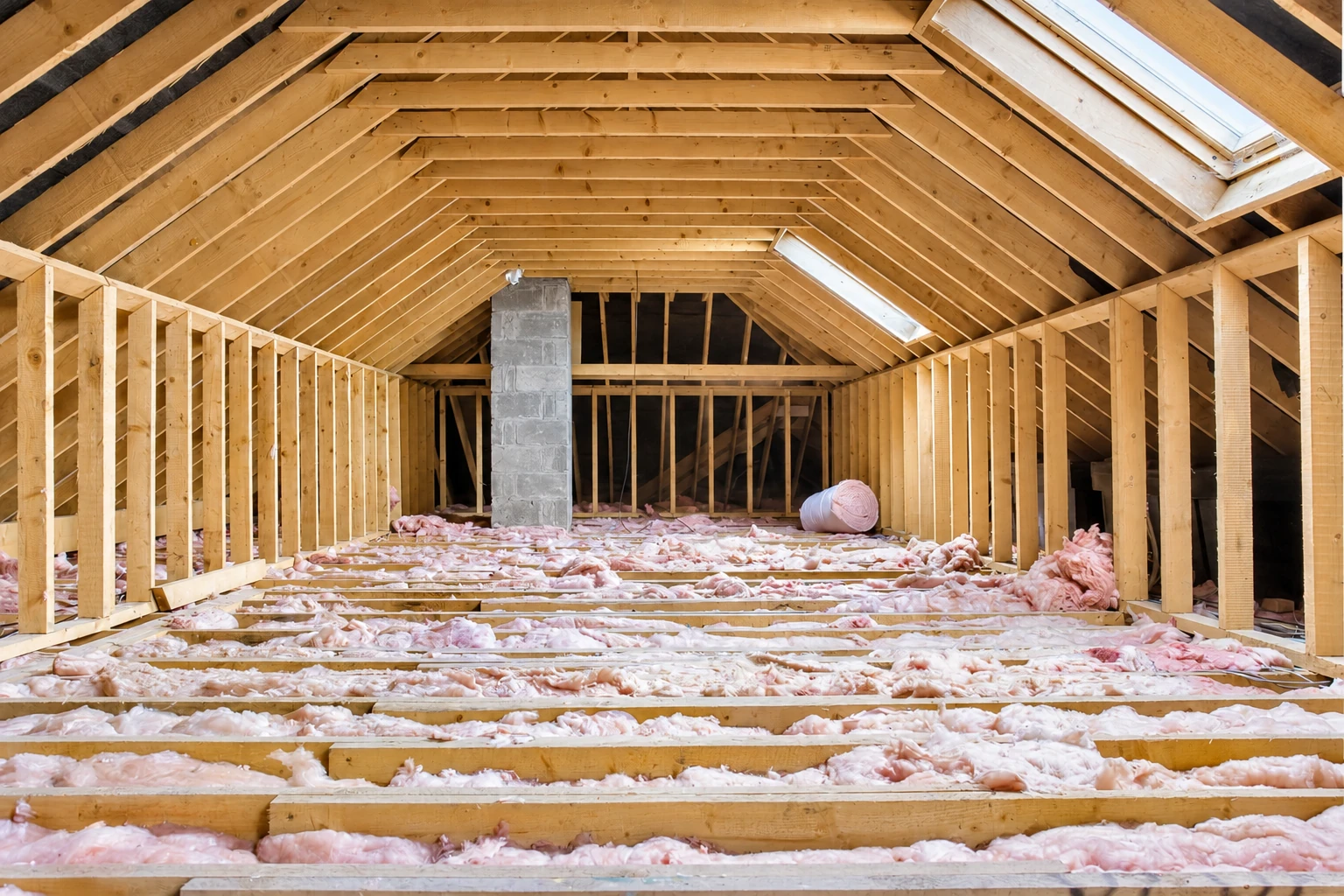
If you pop the hatch and can see the tops of the wooden joists across the attic floor, the insulation has thinned or settled below them. That's a jacket with holes worn through it, and the longer it sits, the more of your heating and cooling goes straight into the attic.
Old insulation flat or stained
Insulation that looks matted, stained or dotted with droppings has usually gotten wet or had animals living in it. Blowing new fill over the top just buries the problem, so it's worth having someone look before you add anything.
How we do blown-in insulation
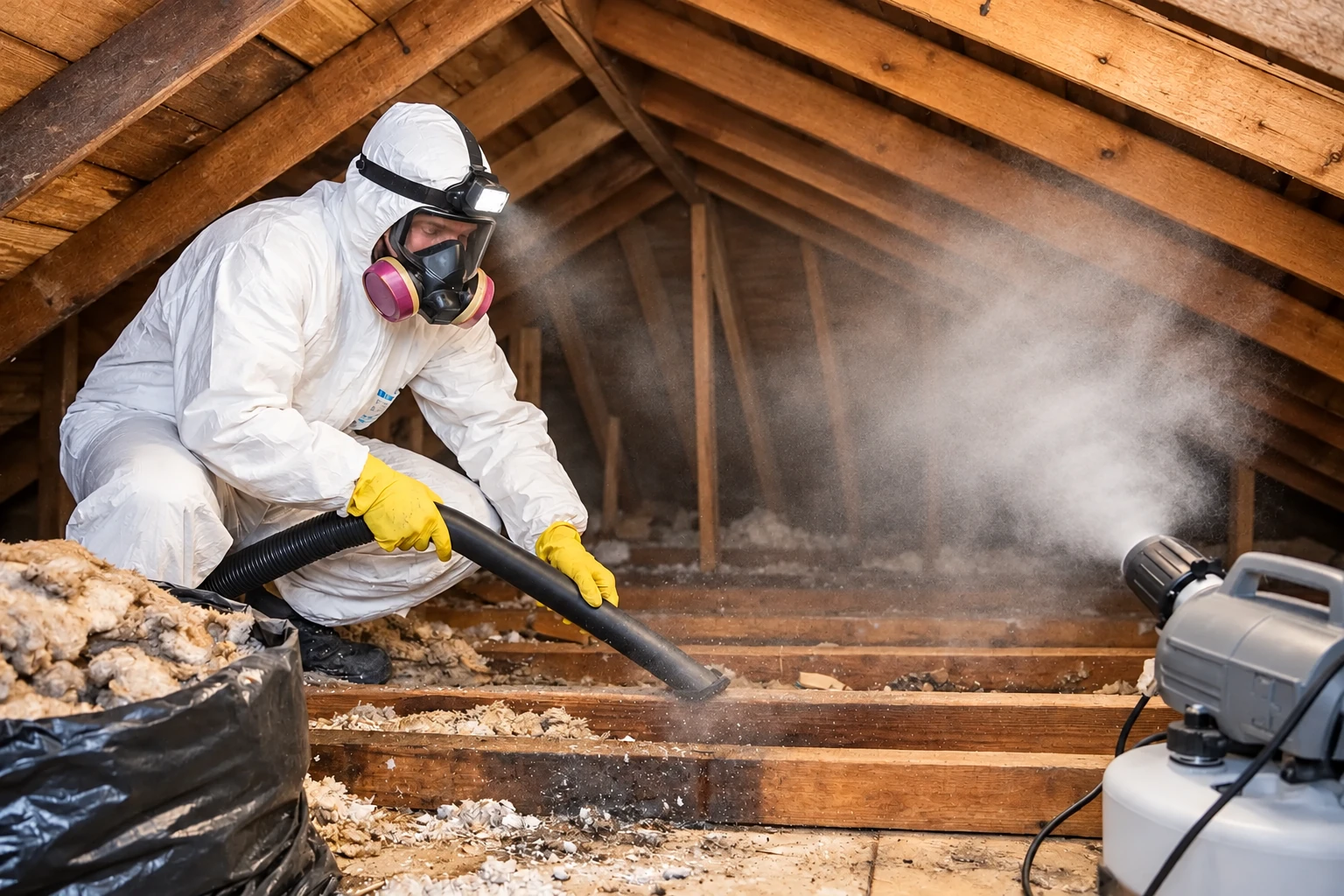
I start by checking what's already up there, because a soaked or dirty layer has to come out before anything new goes on top. Then our crew does the air sealing first, closing the gaps around light fixtures, wiring, plumbing, bath fans and the attic hatch, because most insulation slows heat but doesn't stop air, and an unsealed attic is a warm jacket with the zipper left open. We set baffles at the eaves, the low edges of the roof, so the attic keeps breathing and the fill doesn't spill down into them, and we leave clear space around flues and any recessed lights that aren't IC rated, the marking that says a fixture can touch insulation. Then we blow the fill in evenly, as deep at the edges as in the middle, and when we finish you get a written note of what went in and how deep it sits.
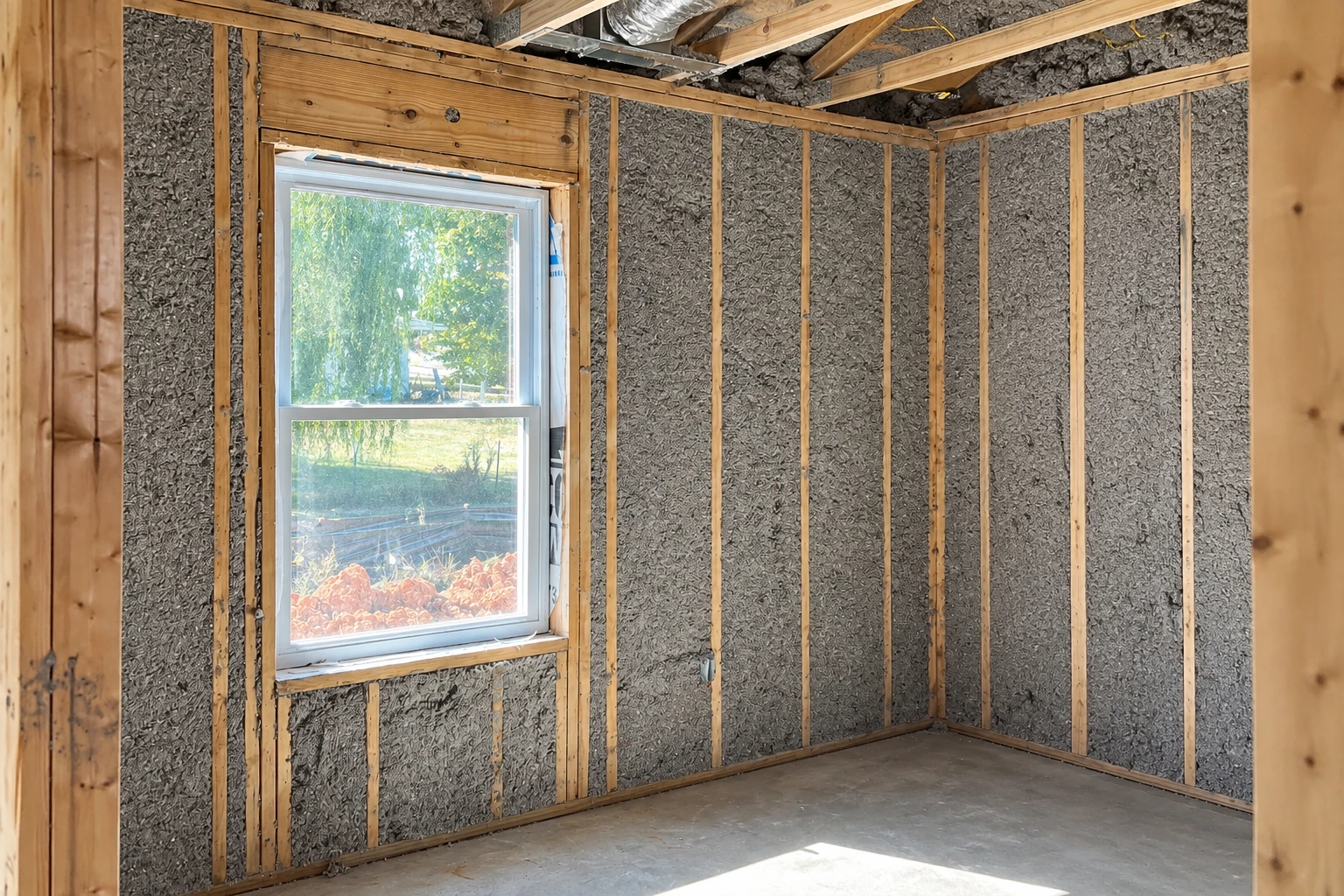
Sometimes the attic is only part of it. If the old fill has to go, we handle the insulation removal first so the new layer starts clean, and if the walls or crawl space are letting heat through too, I'll show you where and we can plan the home insulation together.
Topping up a thin attic
This suits an attic where the old insulation is dry and clean but just isn't deep enough anymore. We seal the gaps, then blow new fill right over what's there so you keep the good material you already have.
Clearing out and starting fresh
This suits an attic where the old insulation got wet, matted down or became a home for rodents. We take it out, seal the bare attic floor, then blow in a clean layer so nothing underneath keeps causing trouble.
Get a written estimate for your attic, with photos
Send the form and I'll get back to you within one business day to set a time for a free on-site look at your attic. The estimate comes in writing, with no pressure and no obligation.
(951) 418-3036What to know about blown-in insulation work in Perris
Under the rules from the state licensing board, someone without a contractor's license can only take on minor work under $1,000, and only when the job needs no permit and they have no one working for them, so a crew blowing in a whole attic is past that line and it's work for a licensed contractor. The state's newer energy code also took effect January 1, 2026, so that's the version attic work done today is held to.
Most of my calls here come from homeowners in older houses that have never felt comfortable, where the attic was insulated once and then left alone for years. We usually find the edges thin and gaps around the hatch and the can lights, and we see the same kind of attics on jobs in Menifee and Moreno Valley.
What happens after you call us about blown-in insulation?
Call us or send the form
I answer the phone myself, and if I miss you I'll call back to set a time to come out. Tell me which rooms bother you most so I know where to look first.
Walk your attic with me
I look through the attic with you and take photos so you can see what's up there without climbing in. You get a written estimate that spells out the price and anything that has to be fixed first, so the cost doesn't change on you later.
We install, check and explain
Our installers do the work, and I check it myself before we pack up. Then we walk you through what went in so you know your attic as well as we do.
Frequently asked questions
Is blown-in insulation better than batts in an attic?
For most open attic floors, yes, because loose fill blows in around joists, wiring and odd corners and covers better than batts, the precut rolls laid by hand. It's also usually less expensive to install than batts for the same attic, though prices vary from job to job.
How much does blown-in insulation cost in Perris, CA?
Across the US, installing blown-in attic insulation usually costs about $4 to $7.50 per square foot. What your job costs depends on attic size, how much is already up there, how much sealing it needs and whether old insulation comes out first. The written estimate from the walk-through gives you your own number.
Is it safe to put new insulation over old attic insulation?
Usually, if the old layer is dry and clean, but vermiculite, the pebbly gray-brown kind, is a different story. EPA guidance tells homeowners to treat vermiculite as if it contains asbestos before any work that might disturb it, so if I find it, we stop and plan for it before anything new goes in.
How long does blown-in insulation last?
Installed right, it can keep working for decades, and the cellulose makers' trade group says properly installed cellulose can function well that long. The catch is the word properly, so the sealing, the baffles and an even depth matter as much as the material.
Why does blown-in insulation settle after it's installed?
Loose fill packs down a little under its own weight, so on certain cellulose jobs the depth on install day is more than the depth it settles to. One federal installer guide has the installer record the type, coverage area, installed and settled thickness, R-value, the rating for how well insulation slows heat, and bags used, and that's a fair record to ask any contractor for.
What is the best way to insulate an attic, blown-in or spray foam?
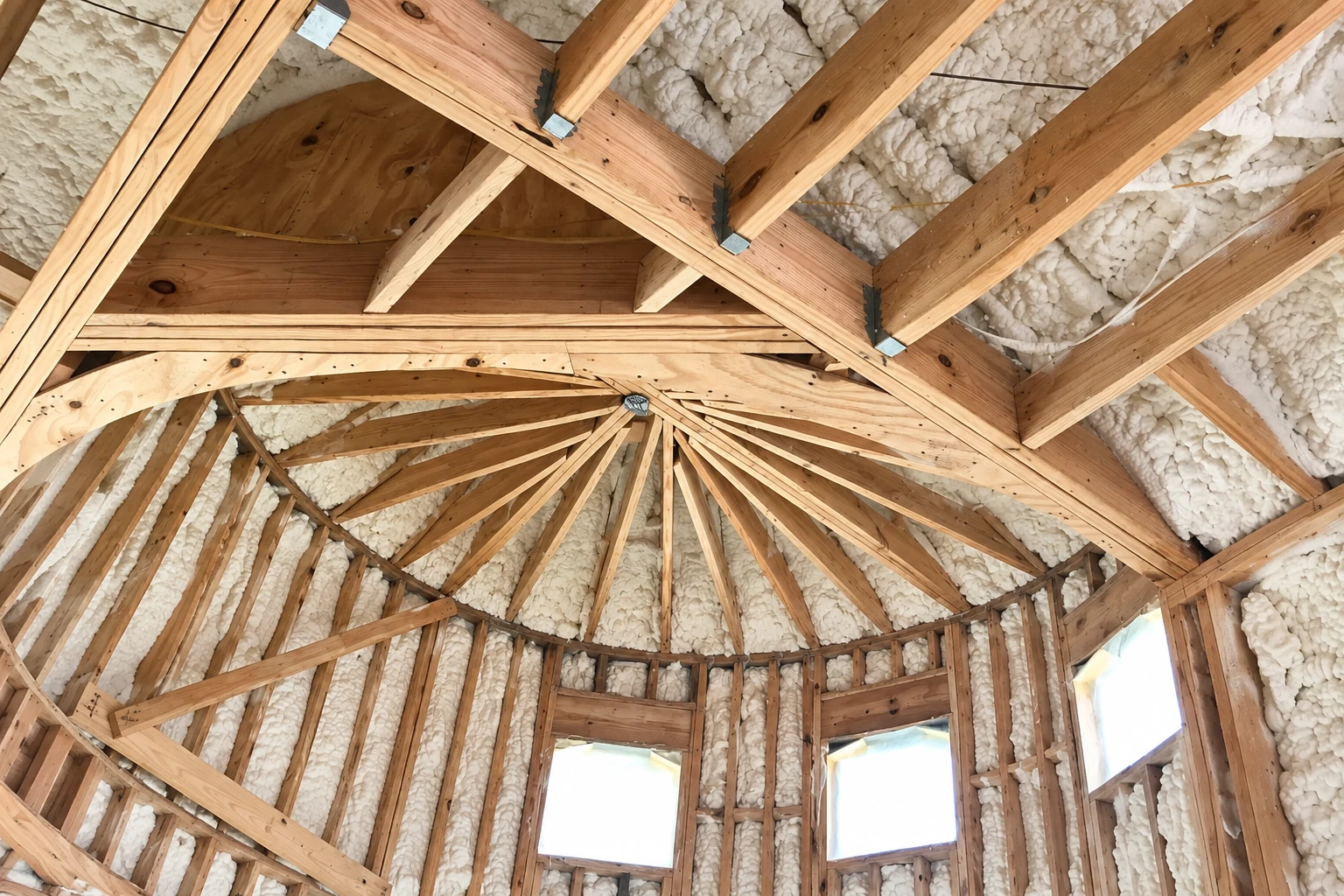
For most attics, sealing the gaps and blowing in loose fill is the better buy, because foam costs more and its big advantage is sealing air, which the air sealing already takes care of. The exception is an attic with ductwork running through it, where foam can earn its extra cost, and I'll tell you which way I'd go once I've seen yours.
Perris, CA
Find out what's in your attic
If you know roughly how big your attic is, or that there's vermiculite up there, mention it when you call or fill out the form so I can plan the visit.